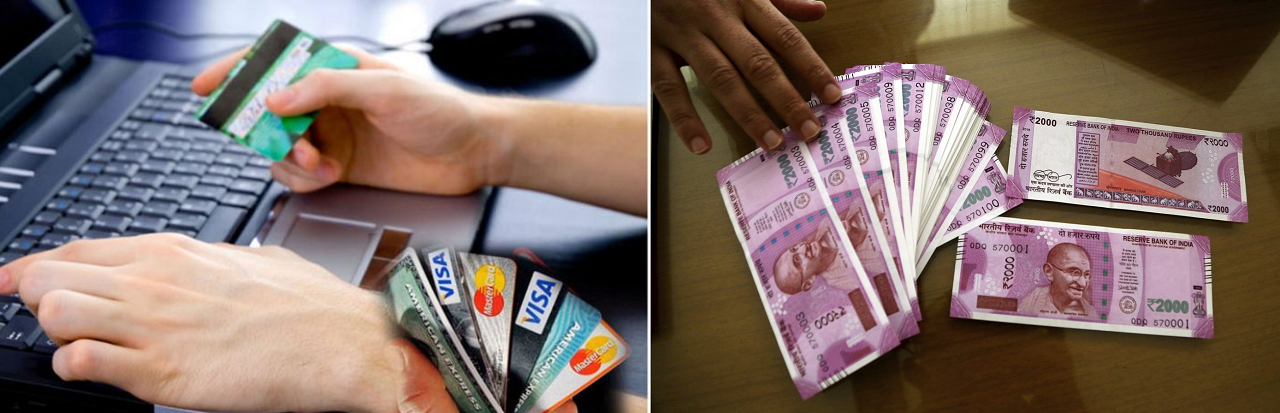
It has been over 30 days since the big announcement was made on Nov 8th, to ban the higher denominations of the currency i.e. 500 and 1000 rupee notes. We are witnessing huge crowds before every bank and ATM centers across the country. Before banks, to deposit their old notes and before ATMs to withdraw their deposited money as new notes. And there were some instances of unfortunate death trolls. Amidst all this chaos, one pertinent question comes to our minds, has the actual purpose been served ?
Well… the answer can not be a simple ‘yes’ or ‘no’. It needs a deeper understanding of how currency works in our economy. Unlike most of the developed countries, India still does its financial transactions mostly in cash; more than 90% precisely. Only a meager 4% of the population are using credit or debit cards and internet banking. Even they too use cash for daily needs like groceries etc. With the PM’s announcement, more than 86% of the total cash became useless waste paper. And that created the havoc we are seeing today. The Govt., should have taken some measures prior to the announcement. But then in countries like ours, may be this is the best way to bring any change. Now people are compelled to do cashless transactions.
Modi targeted three things with his decision:
One is to bring out the black money. I have to say he didn’t quite succeed in this case. Because unlike the olden days, when people used to hide their black money in huge stacks of cash, now a days most of the black money is going into various kinds of investments such as gold, stocks and bonds and real estate etc. This decision won’t effect this type of black money.
The second one is to wipe out the fake currency. And yes it’s gone, at least for now.
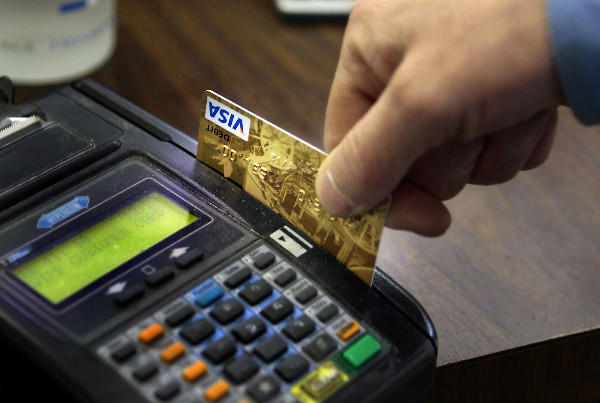
And the third one is to make Indian economy as cashless. Statistics show that online and card transactions have almost doubled in the past few weeks. That’s a good start I would say. And we still have a long way to go…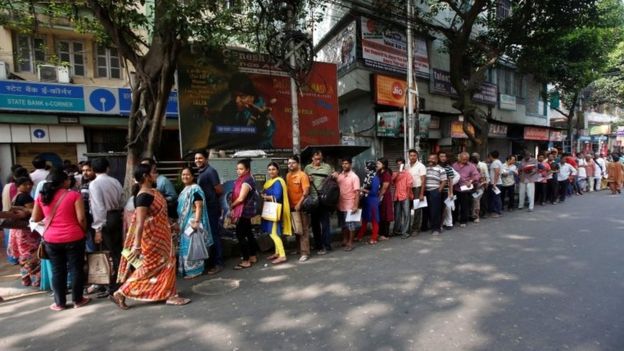
 Dr.Naresh.com